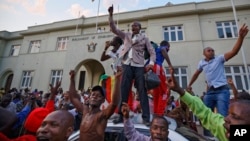
Zimbabweans celebrate outside the parliament building immediately after hearing the news that President Robert Mugabe had resigned, in downtown Harare, Zimbabwe, Nov. 21, 2017.
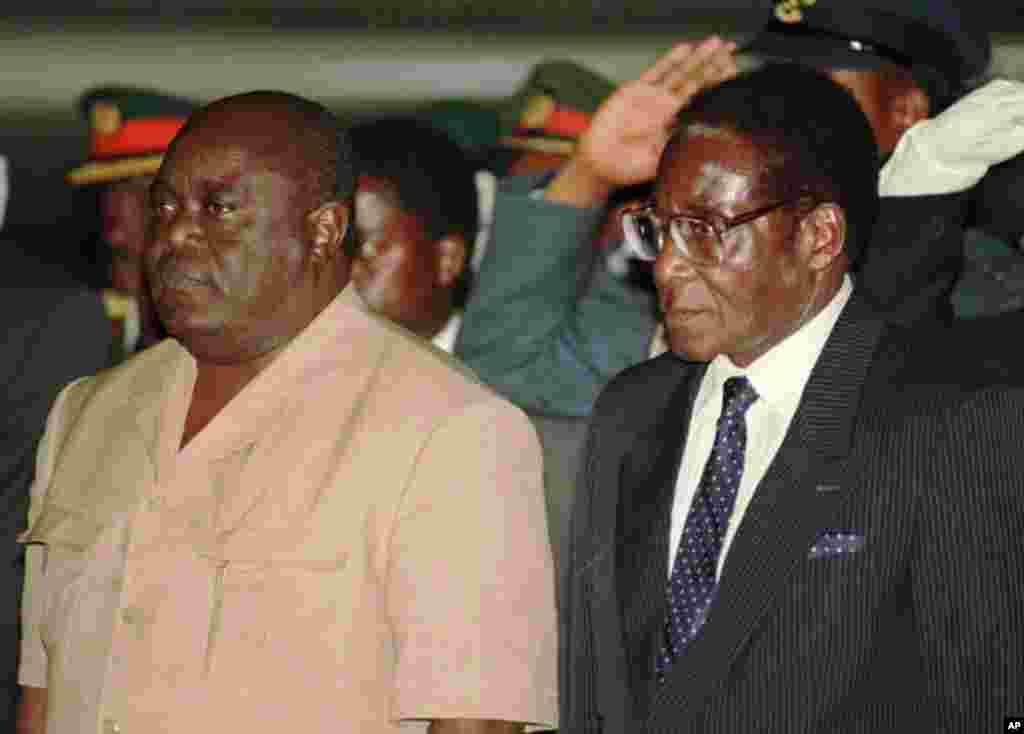
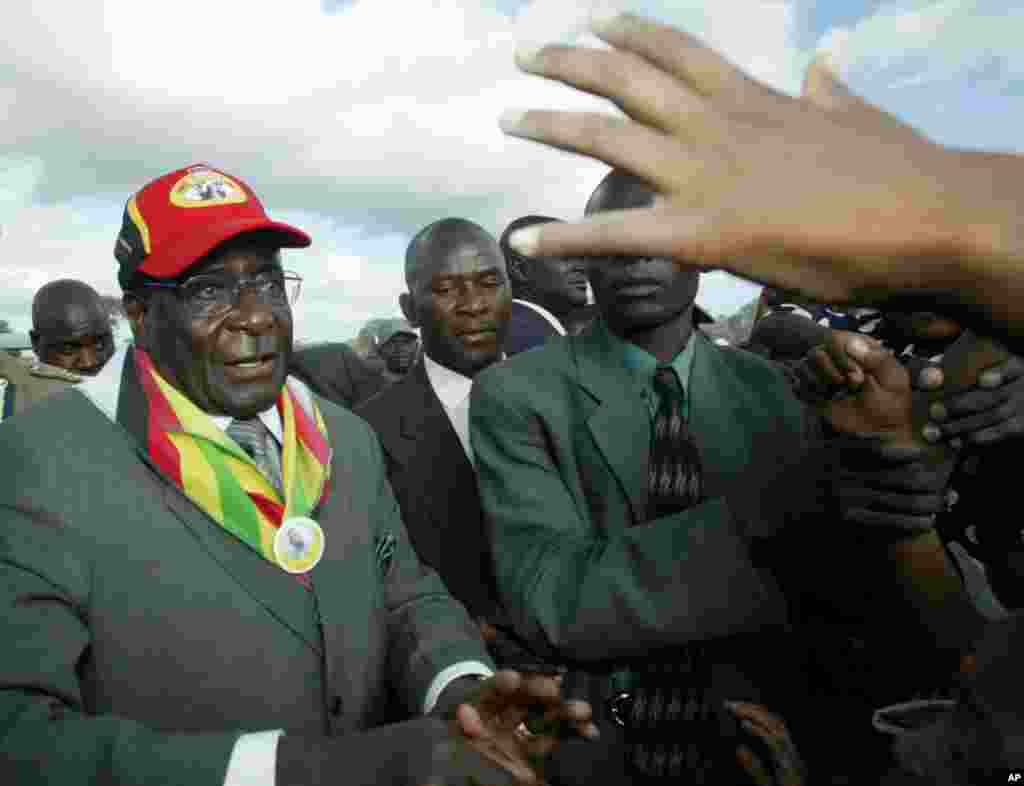
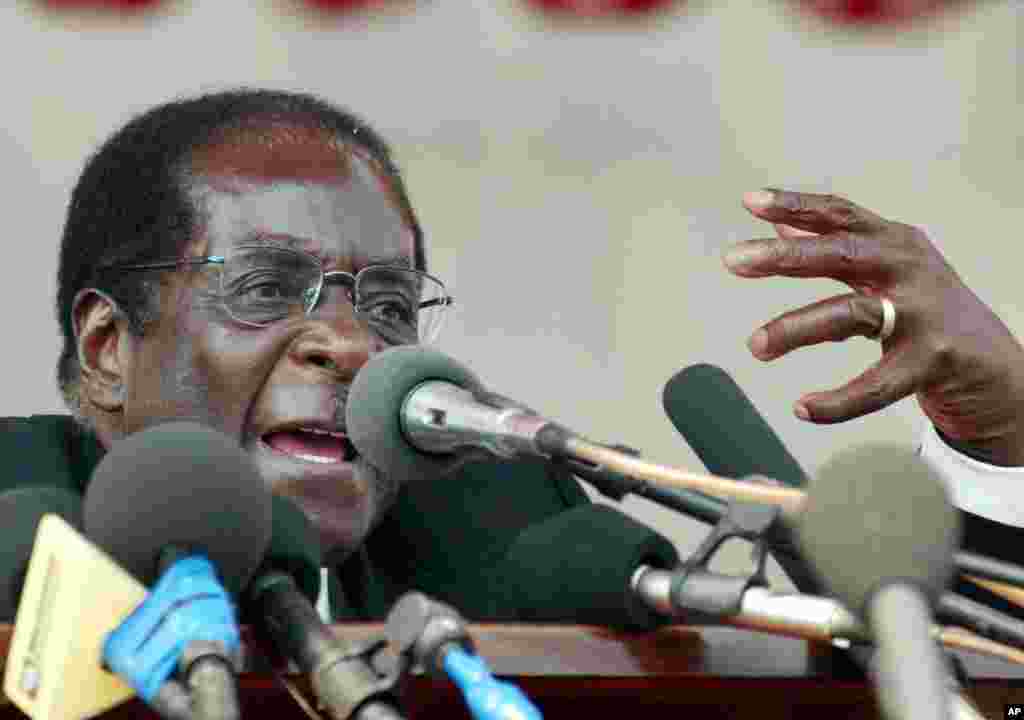
The streets of Zimbabwe's capital, Harare, erupted in celebration Tuesday after President Robert Mugabe resigned, ending 37 years in power.
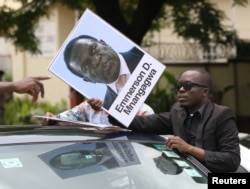
His former vice president, Emmerson Mnangagwa, will be sworn in as president on Wednesday or Thursday, according to top officials in the ruling ZANU-PF party. Mnangagwa, who fled the country after he was abruptly fired on November 6, "is not far from here,'' ruling party official Lovemore Matuke said.
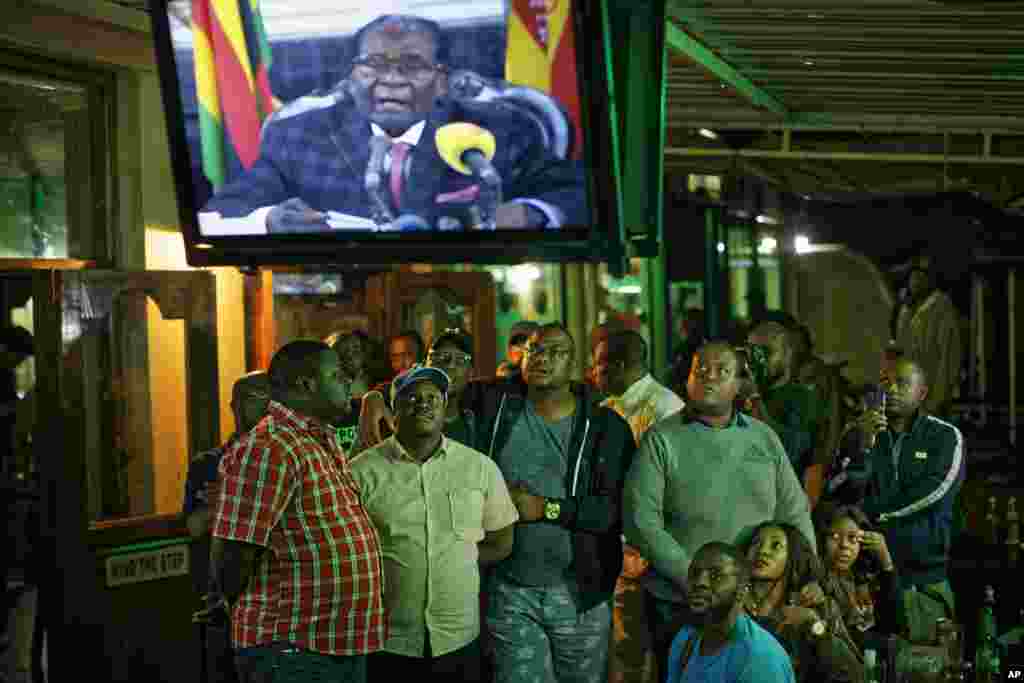
Car horns blared as people danced, cheered and waved to celebrate the news of Mugabe's departure, which he announced in a letter read out by the speaker of parliament.
One man told VOA's Zimbabwe Service: "This is a breakthrough...We are super excited as Zimbabweans and we want to thank God. Our prayers have been answered. We have suffered a lot for 37 years."
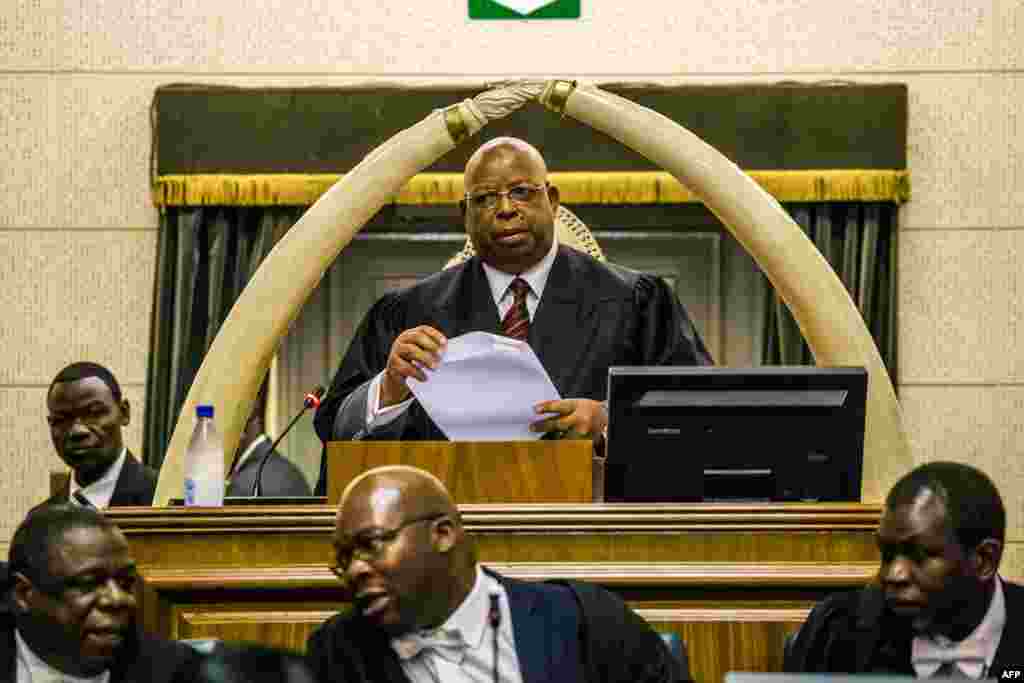
Speaker Jacob Mudenda read out the resignation letter soon after lawmakers began proceedings to impeach Mugabe.
The letter said in part, "I, Robert Gabriel Mugabe, in terms of Section 96 of the constitution of Zimbabwe, hereby formally tender my resignation...with immediate effect."
There has been no confirmation of the letter from the president or his office -- but no denial, either.
The 93-year-old Mugabe had ruled Zimbabwe since the country won independence from Britain in 1980.
A protester holds a poster showing support for ousted Zimbabwean Vice President Emmerson Mnangagwa, in Harare, Zimbabwe, Nov. 18, 2017. Mnangagwa is to be sworn in as president Wednesday or Thursday.
History of rights violations
The president was often criticized for human rights abuses that included the beatings, torture and killings of his political opponents. Western countries imposed sanctions on Mugabe and his allies after his supporters began seizing white-owned farmland in 2000. Zimbabwe's farm output and economy plummeted when the land was given to blacks with little experience in large-scale farming.
Criticism intensified in 2008, after inflation reached 231 million percent and Zimbabwe was forced to abandon its dollar. The country experienced new economic problems in recent years, as corruption and Mugabe's heavy-handed economic policies scared away investors.
The U.S. Embassy in Zimbabwe called Tuesday a historic moment for Zimbabwe and said the country must move toward free elections in which Zimbabweans choose their own leaders.
The U.S. State Department echoed the sentiment. "The resignation of Robert Mugabe is a historic opportunity and historic moment for the people of Zimbabwe. The people of Zimbabwe have firmly voiced their desire for a new era to bring an end to Zimbabwe's isolation and allow the country to rejoin the international community," State Department spokeswoman Heather Nauert said.
British Prime Minister Theresa May released a statement that said Mugabe's resignation gives Zimbabwe the opportunity to pursue a path free of oppression.
Rights group Amnesty International said the next generation of leaders in Zimbabwe must abide by the constitution and treat the population with respect.
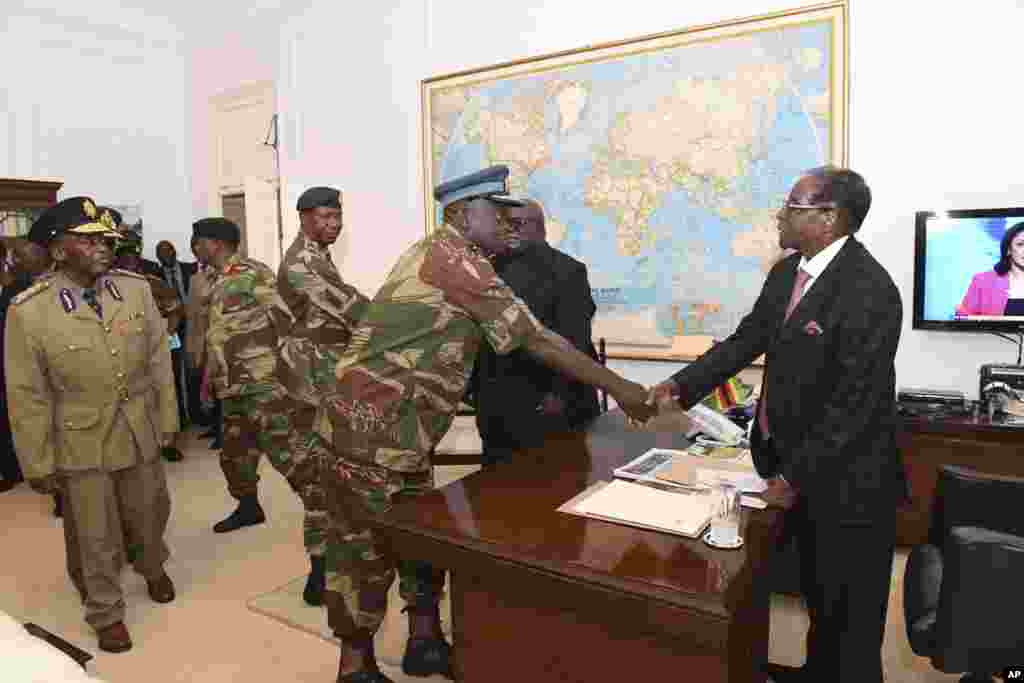
Mugabe had faced growing pressure to resign since last week, when the military took over state institutions and put him and his wife Grace under house arrest.
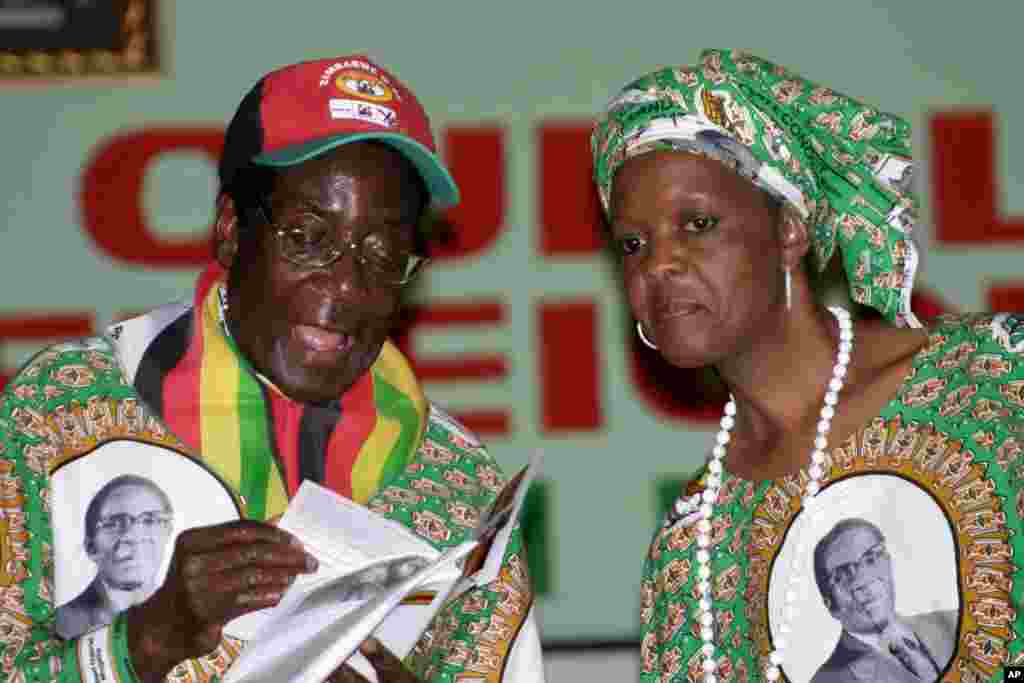
The military took action after the president fired the vice president, Mnangagwa, a hero of Zimbabwe's liberation war, and hinted he would replace Mnangagwa with Grace Mugabe. The first lady and former vice president were locked in a political battle over who would succeed the aging president, and led competing factions in the ruling party.
Until Tuesday, Mugabe showed no sign of stepping aside. He even called a Cabinet meeting for Tuesday morning. According to the Reuters news agency, only a handful of the 17 ministers showed up.
Mugabe was planning to run for another term as president in next year's elections, when he would have been 94.
In Photos: Robert Mugabe
Zimbabwe's Robert Mugabe: Decades in Power
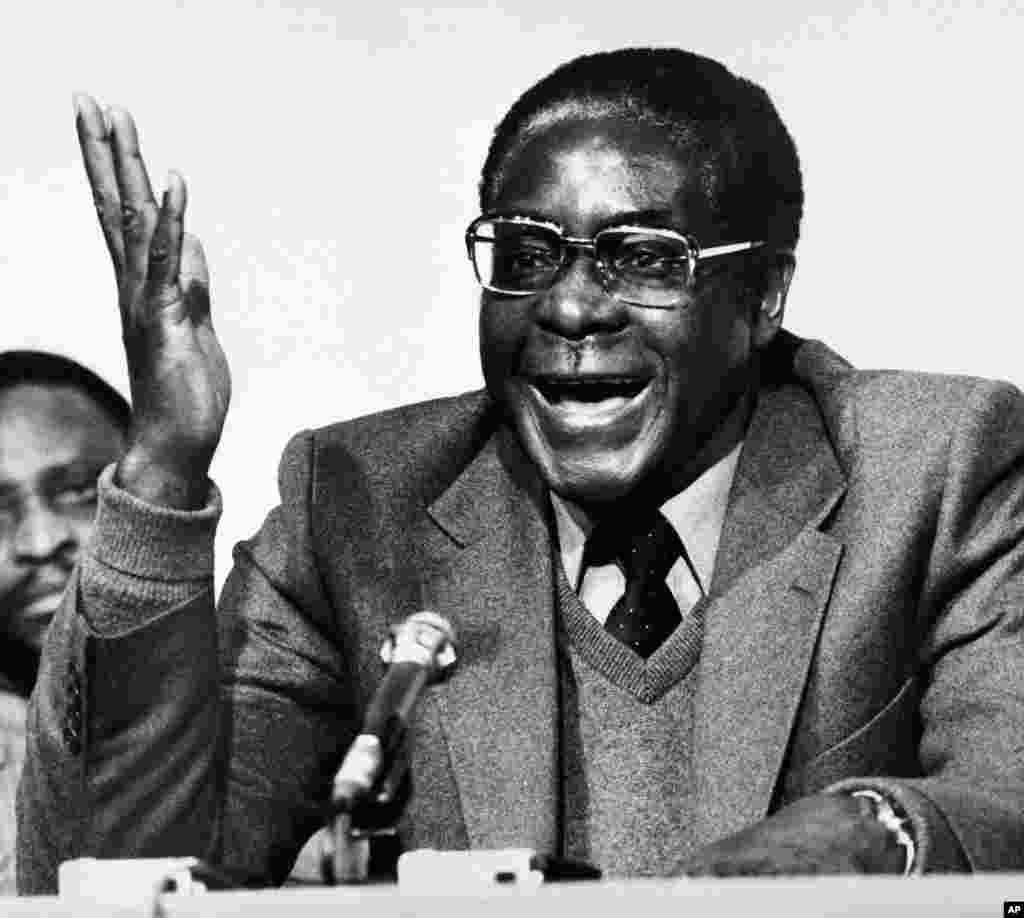
1/20Robert Mugabe co-leader of the Patriotic Front guerrilla forces, is seen at a press conference in London, Dec. 19, 1979, when it was announced that he and Joshua Nkomo had reached an agreement at Lancaster House on a new constitution, transitional arrangements and a ceasefire.
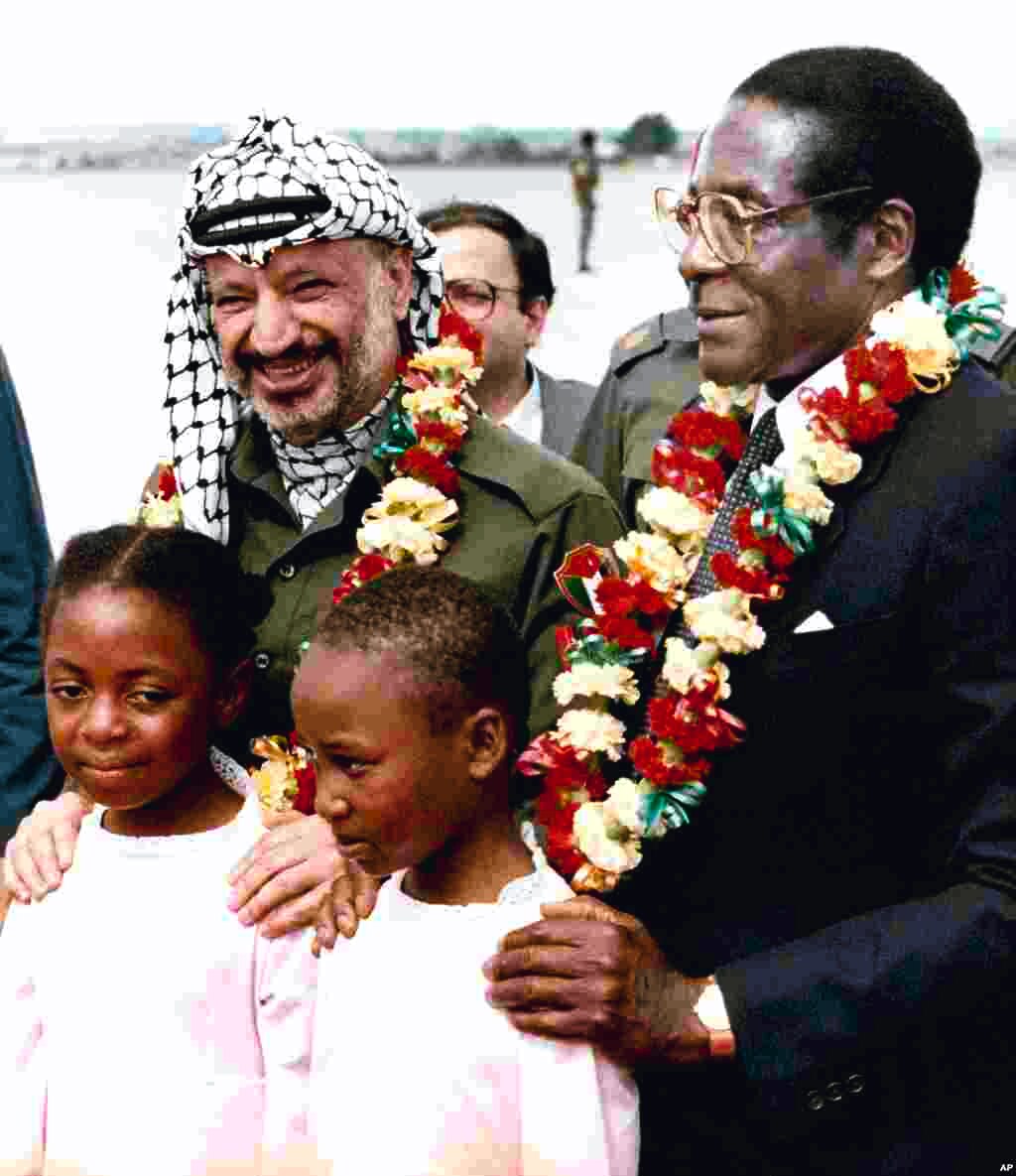
4/20Zimbabwean Prime Minister Robert Mugabe, right, and Yasser Arafat, left, pose for photos after being garlanded by two 10-year-old school girls, Jean Chitanda, left, and Tsitsi Chikasha, on Arafat's arrival at Harare Airport, Zimbabwe, April 14, 1987, to attend a meeting of the Non-aligned Movement's Committee on Palestine.
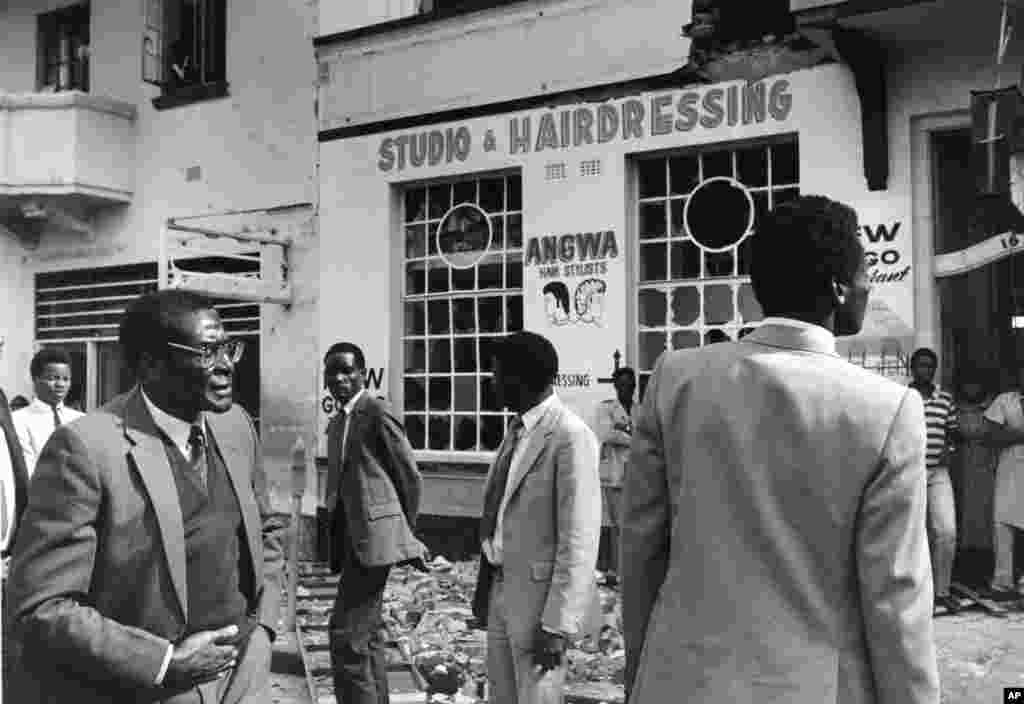
5/20Zimbabwe Prime Minister Robert Mugabe stands in the rubble outside the building which housed the headquarters of the African National Council in central Harare, after it was heavily damaged in a raid by South African commandos, May 19, 1986.
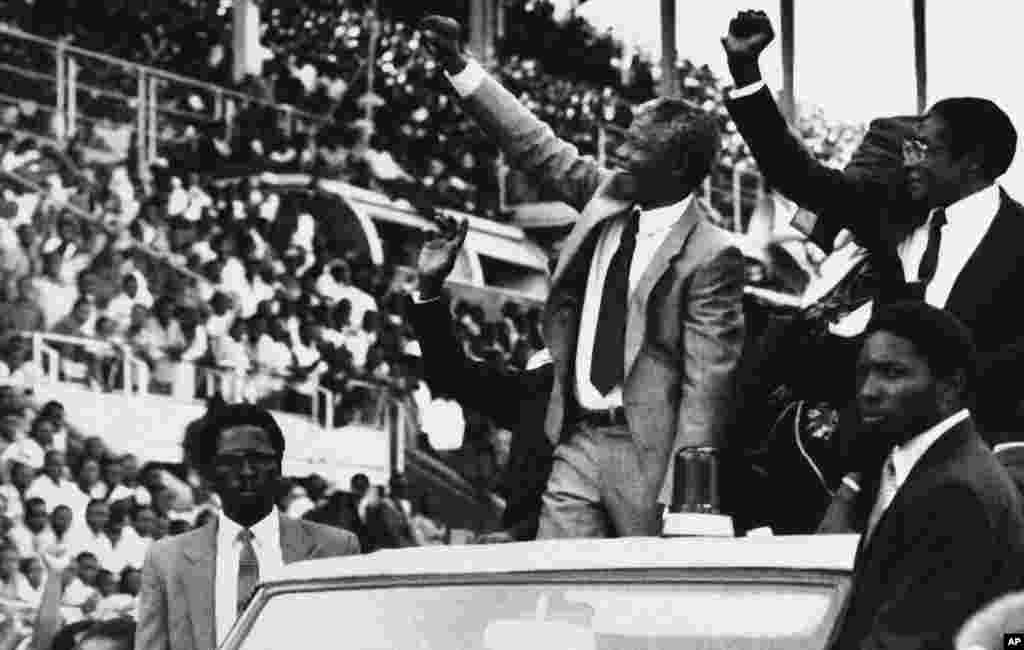
7/20Deputy President of the African National Congress Nelson Mandela, center, and Zimbabwe President Robert Mugabe, far right, greet the crowds at the start of the new Zimbabwe public holiday, Mandela Day, March 5, 1990, in Harare.
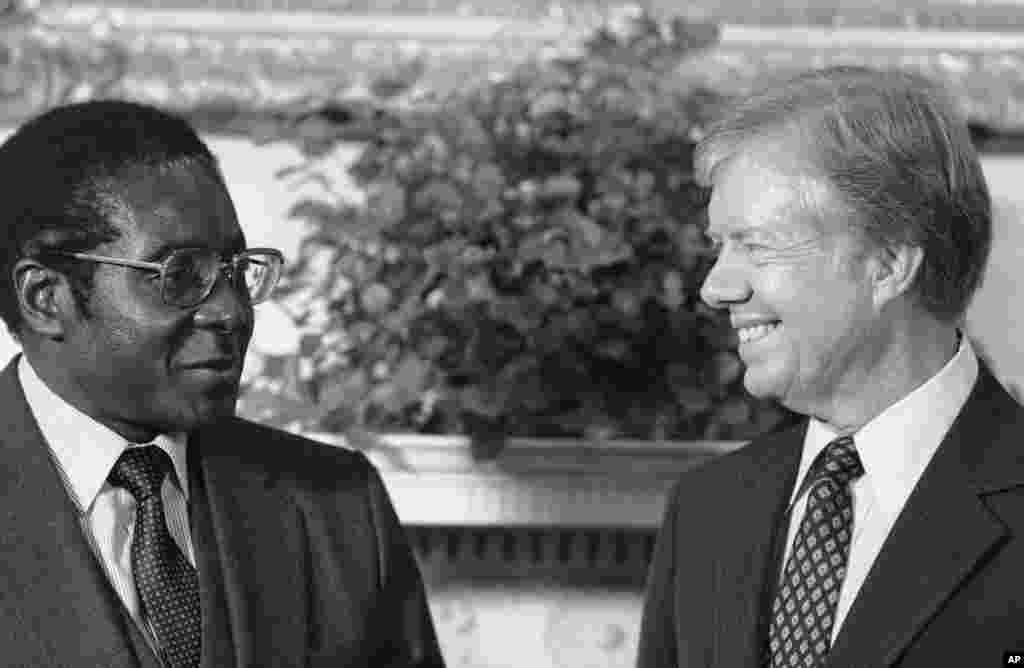
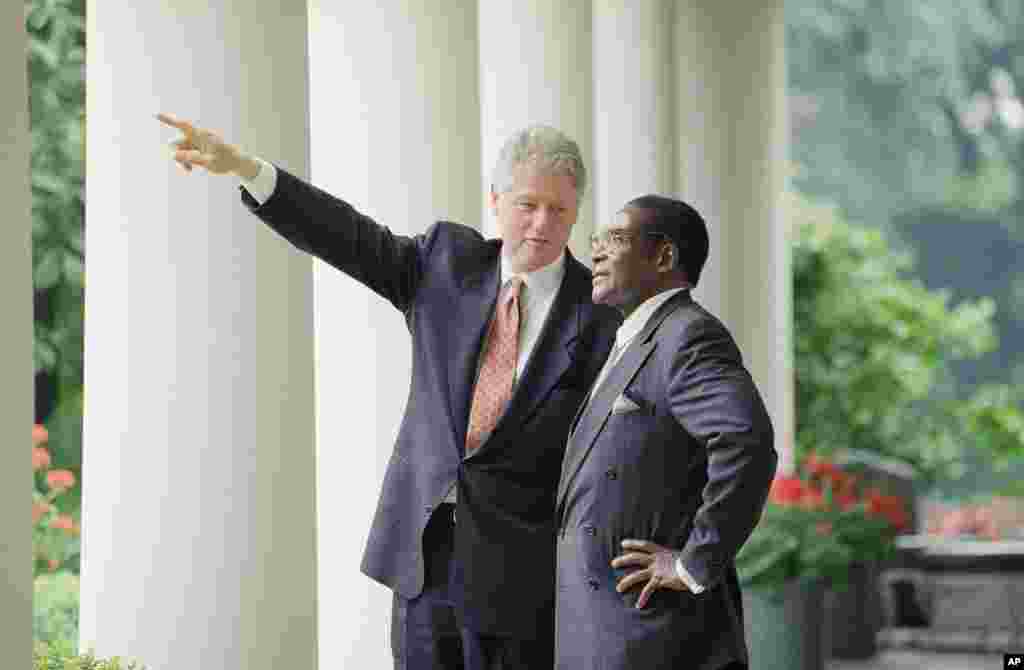
9/20President Bill Clinton gestures while talking to Zimbabwe Prime Minister Robert Mugabe in the Colonnades of the White House, Washington, May 18, 1995, after their Oval Office meeting.
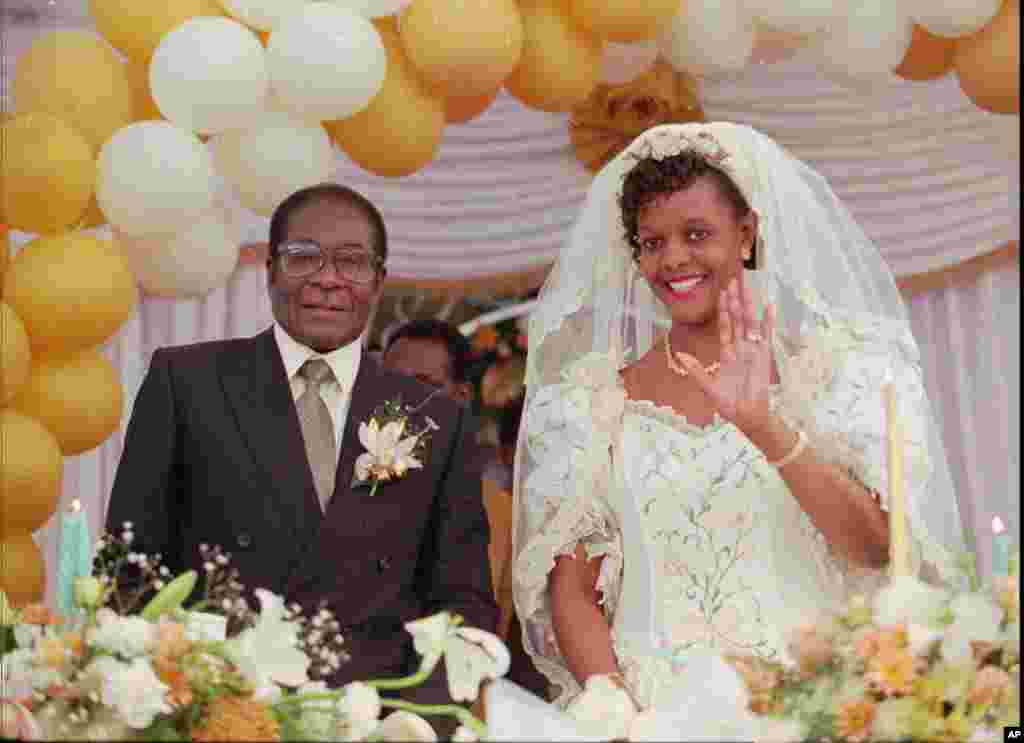
10/20Grace Marufu, the new bride of Zimbabwean President Robert Mugabe, right, waves at guests, Aug. 17, 1996, after their wedding ceremony at the Kutama catholic mission 42 miles, (80kms) of Harare.
11/20President Laurent Kabila of the Democratic Republic of Congo, left, is met at the Harare International Airport, June 1, 1997, by Zimbabwean President Robert Mugabe.
15/20Zimbabwean President Robert Mugabe, center left, and his wife Grace, center are joined by his family as they cut the cake during his 93rd Birthday celebrations in Matopos on the outskirts of Bulawayo, Feb. 25, 2017.
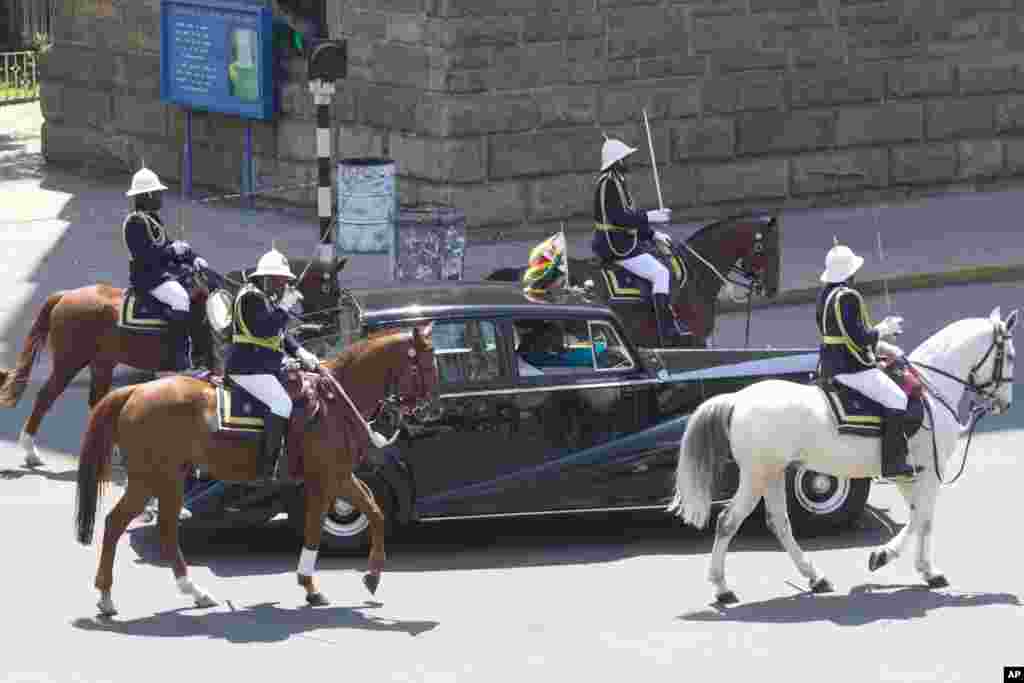
16/20Police on horseback accompany Zimbabwean President Robert Mugabe's Rolls Royce during the opening of the 5th session of the last parliament in Harare, Sept. 12, 2017.
19/20Zimbabwe Speaker of Parliament Jacob Mudenda presides over a parliament session where a motion is moved to impeach President Robert Mugabe, Nov. 21, 2017.
20/20People remove the portrait of former Zimbabwean President Robert Mugabe from the wall at the International Conference center, after his resignation, Nov. 21, 2017 in Harare.