




U.S. Senator John McCain died Saturday at age 81 after a battle with brain cancer that robbed America of a revered statesman, proud patriot, and self-sacrificing warrior.
His daughter, Meghan McCain, released a statement.
Shortly after McCain's death was announced, President Donald Trump tweeted his condolences.
Best known for having survived as a prisoner of war in North Vietnam and winning the Republican presidential nomination in 2008, John Sidney McCain remained an ardent and unapologetic believer in American exceptionalism.
“We are blessed. We are living in the land of the free, the land where anything is possible,” McCain said in October, months after his cancer diagnosis, at the National Constitution Center, where he received the Liberty Medal. “We are blessed, and we have been a blessing to humanity in turn.”
In the same speech, he also warned of the perils he saw in the era of President Donald Trump.
“To refuse the obligations of international leadership and our duty to remain the last best hope of earth for the sake of some half-baked, spurious nationalism cooked up by people who would rather find scapegoats than solve problems, is as unpatriotic as an attachment to any other tired dogma of the past that Americans consigned to the ash heap of history,” the senator said.
“John McCain represented public service,” American University political historian Allan Lichtman said. “He was a genuine American hero, not a phony, hyped-up media hero.”
In Photos: John McCain
US Senator, War Hero John McCain Dead at 81
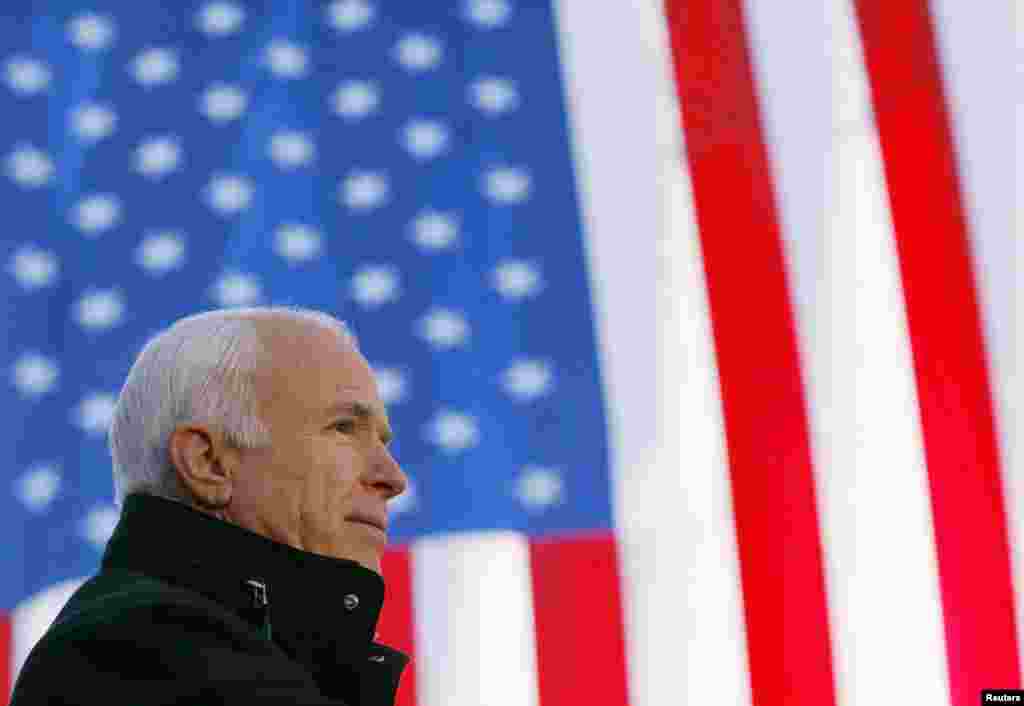


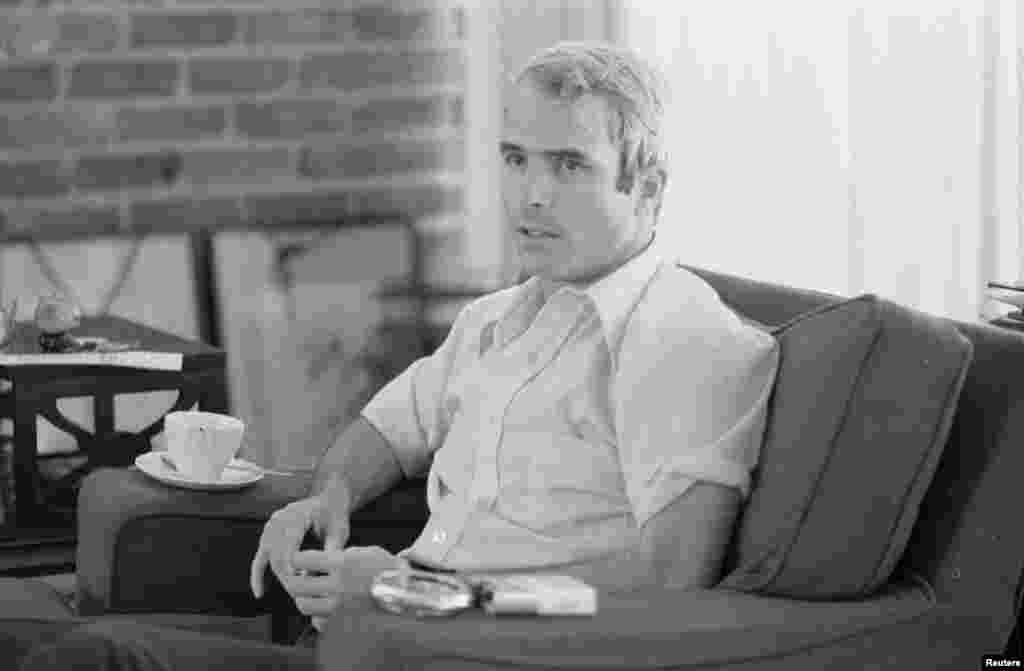
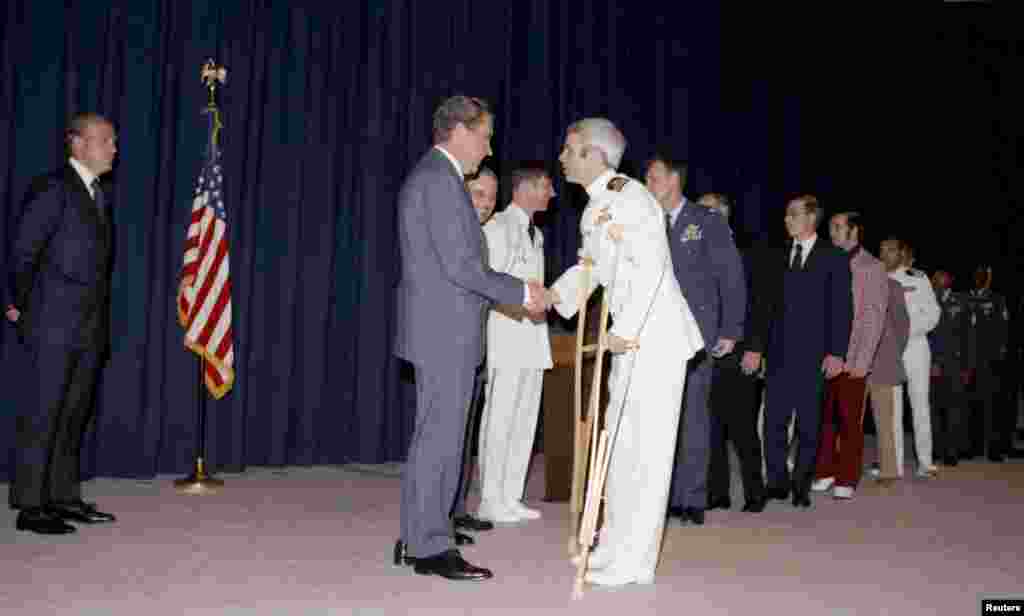
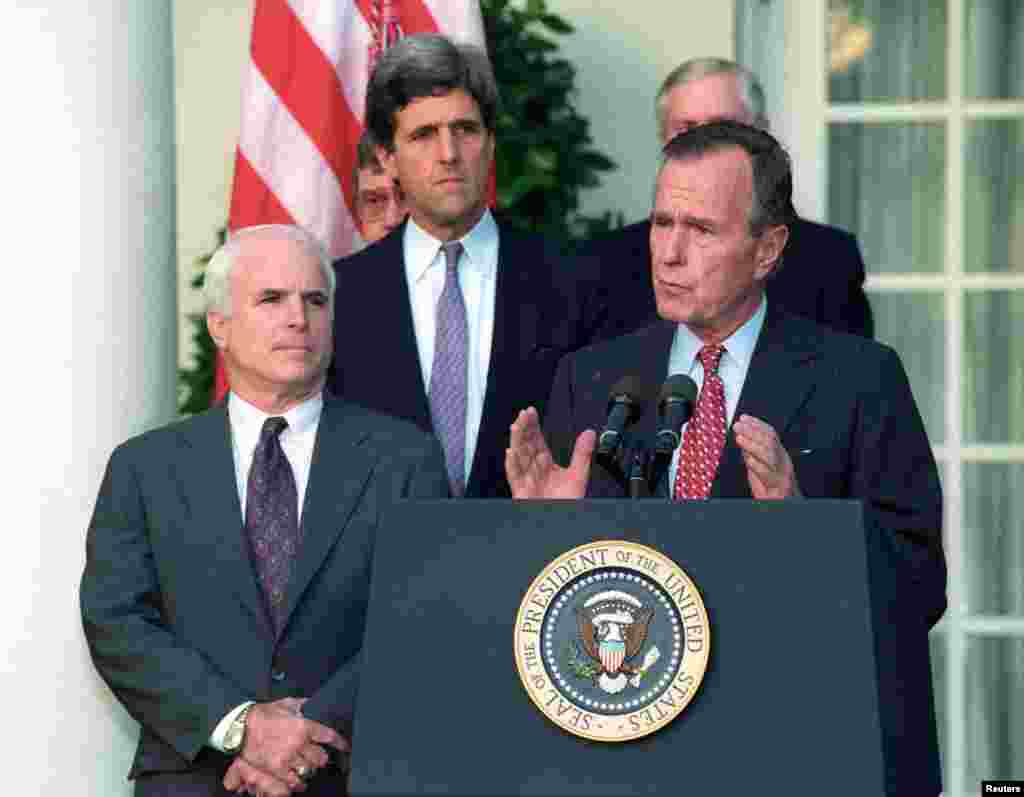
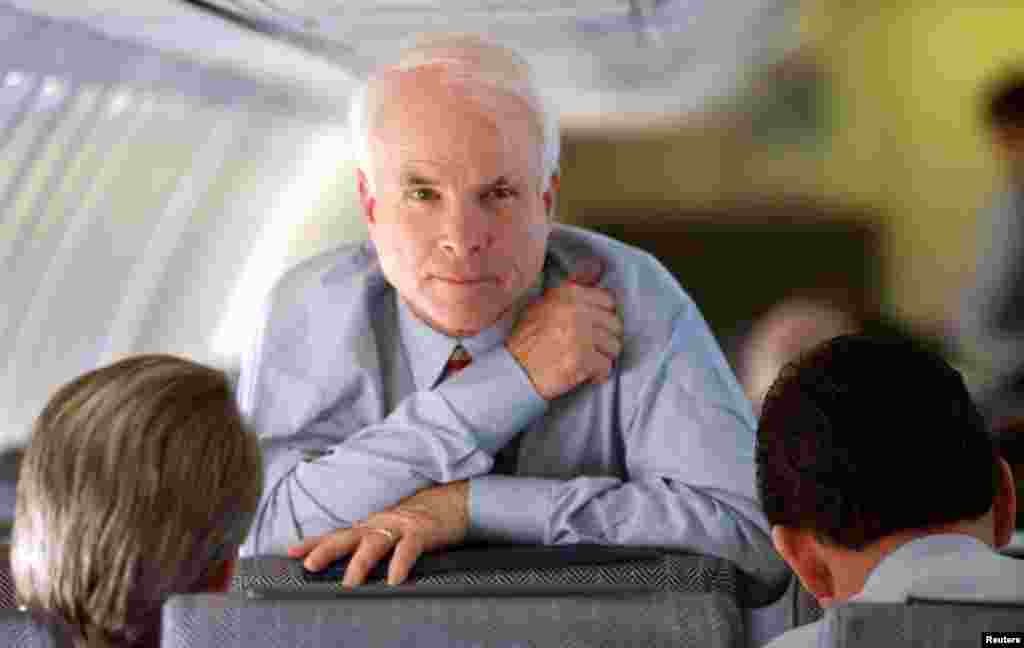
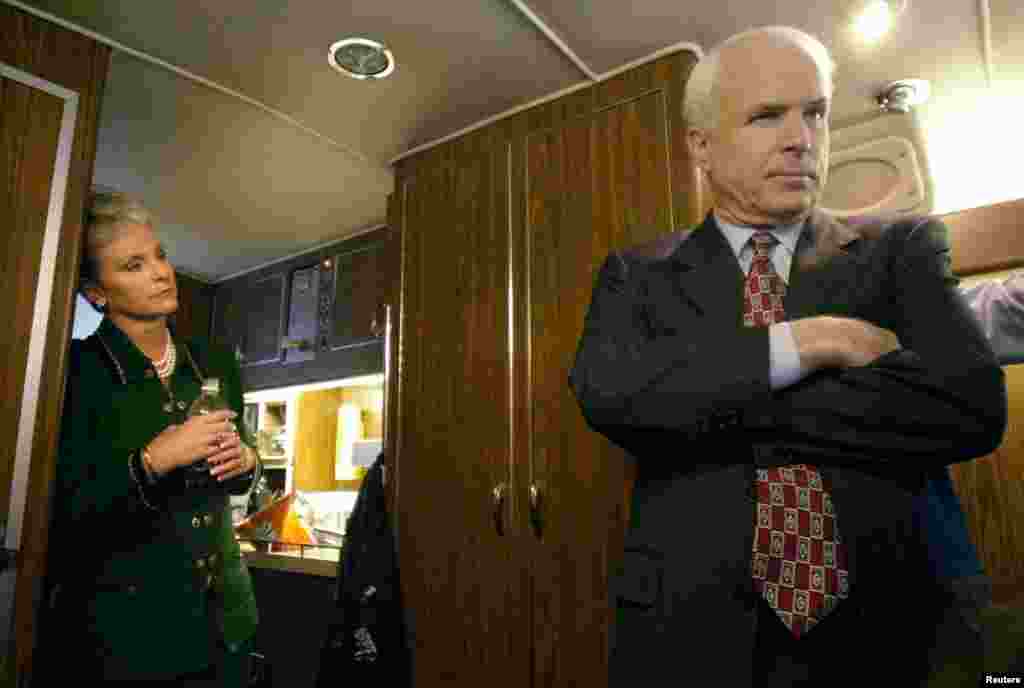
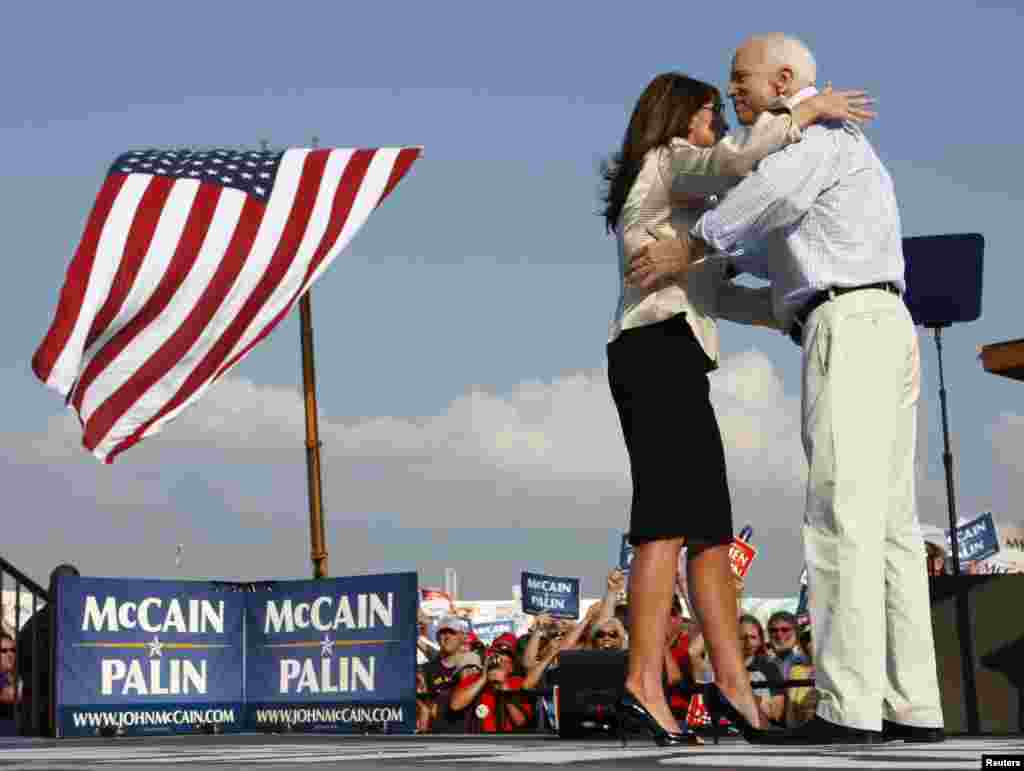
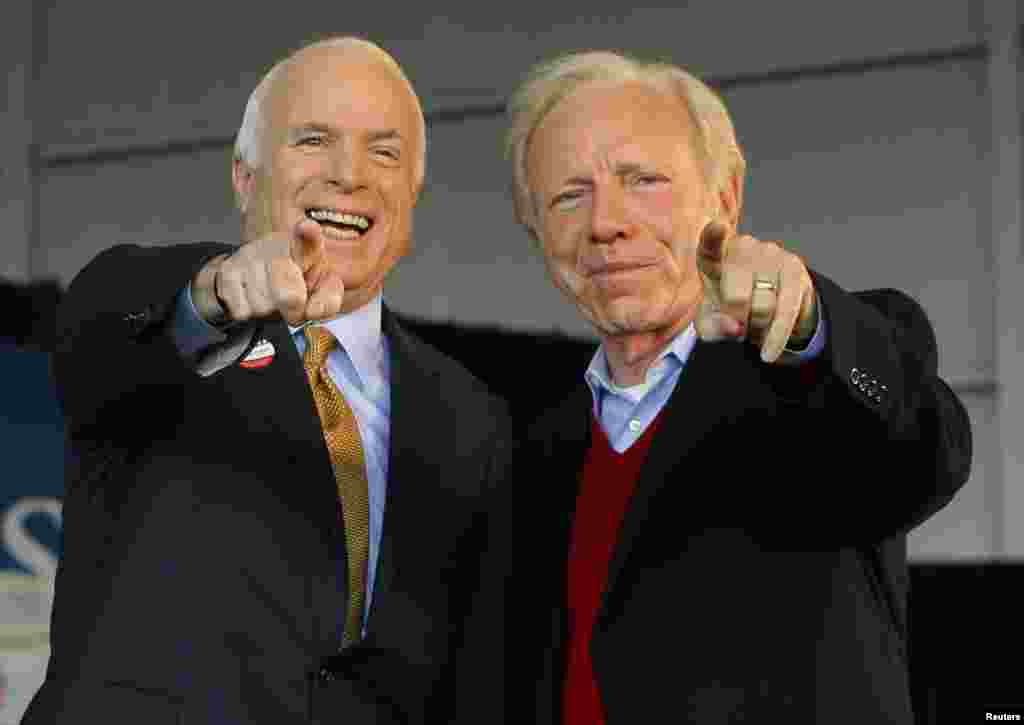
Military family
The son of a U.S. admiral, McCain became a Navy aviator and flew bombing missions during the Vietnam War. Shot down and captured by the North Vietnamese in 1967, he endured more than five years of torture and depravation as a prisoner of war.
Decades later, as a Republican senator, McCain would return to Vietnam and champion the restoration of ties between Washington and Hanoi and, as he told VOA, leave the past behind.
“Look, there are some individuals that mistreated me in prison, and I hope I never see them again,” he said. “But, that does not change my opinion that the Vietnamese people are wonderful and dear friends, and we need them and they need us.”
After the September 11, 2001 attacks, McCain decried torture tactics against terror suspects while backing the wars in Afghanistan and Iraq.
“John McCain’s weakness over the years was [that] he was perhaps too willing to seek a military solution to problems,” political historian Lichtman said. “Some of his critics even called him a war monger. But it [military intervention] was something he genuinely believed in, not something he cooked up for political purposes.”
Gracious in political battle
On Capitol Hill, McCain was known for a short temper and a sharp tongue.
“Get out of here you low-life scum,” McCain once growled at anti-war protesters who were disrupting a Senate committee hearing.
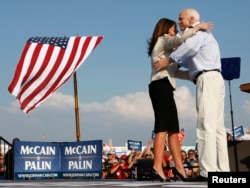
The senator also displayed graciousness in the heat of political battle. McCain ran twice for president as an independent-minded Republican, securing his party’s nomination in 2008. On the campaign trail, he defended his democratic opponent, Barack Obama.
“He’s an Arab,” one woman declared of Obama at a McCain town hall campaign event one month before the election.
McCain took the microphone from her and said, “No, ma’am. He is a decent family man, a citizen that I just happen to have disagreements with.”
Return to the Senate
McCain lost the presidential contest but returned to the Senate, where he continued to advocate robust U.S. engagement around the world and a strong U.S. military as chairman of the Senate Armed Service Committee.
He did not respond when then-candidate Trump questioned his war hero status.
“He is a war hero because he was captured,” Trump said on national television in July 2015. “I like people that were not captured, OK? I hate to tell you.”
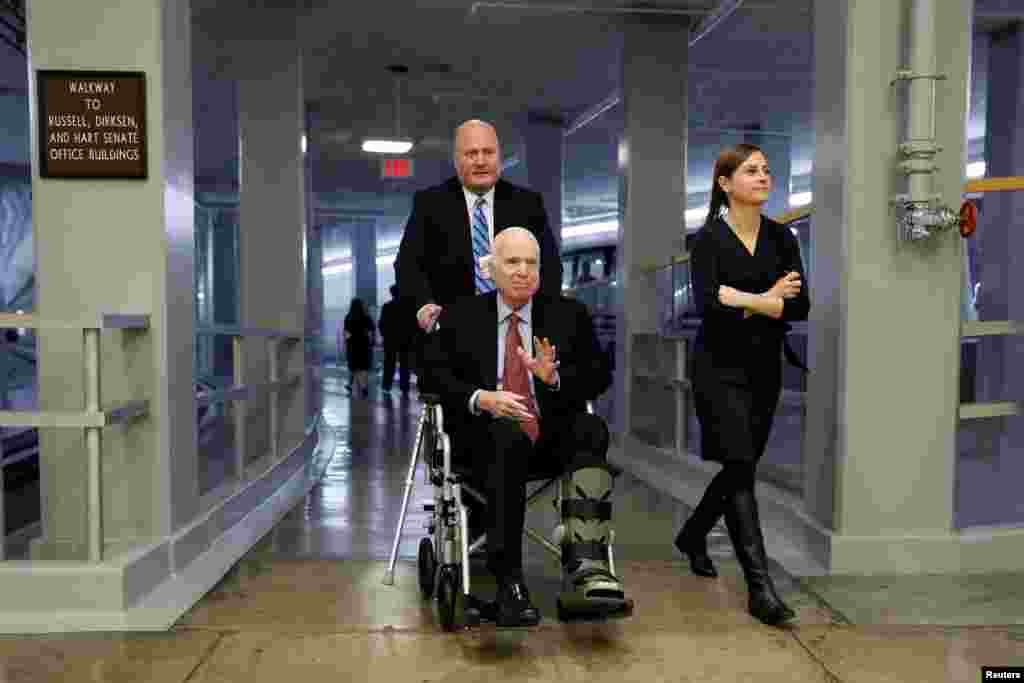
McCain did, however, become a persistent critic of Trump’s governing style and policies, as well as hyper-partisanship in Washington, culminating with a decisive vote scuttling a Republican health care plan President Trump had championed. In December, he was the lone senator not to cast a vote on final passage of the Republican tax overhaul, returning Arizona to rest after cancer treatment.
Liked on both sides of aisle
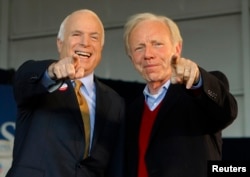
McCain was revered by Democrats and Republicans alike.
“Courage and loyalty,” former vice president Joe Biden said in introductory remarks at the National Constitution Center. “I can think of no better description of the man we are honoring tonight, my friend John McCain.”
“John McCain, perhaps above all other politicians of recent years, was willing to reach across the aisle to try to do things that were good for the country, like immigration reform, like campaign finance reform,” Lichtman said.
Many will mourn his passing, but McCain remained upbeat until the end.
“I am the luckiest guy on earth. I have served America’s cause,” he said.